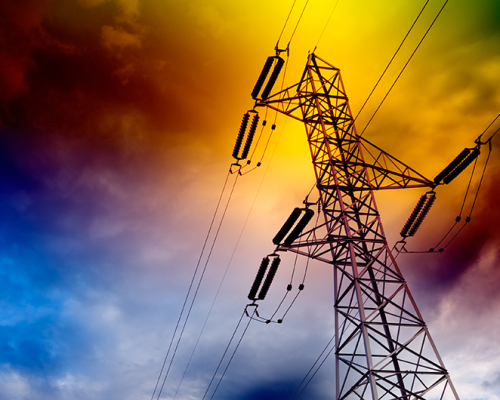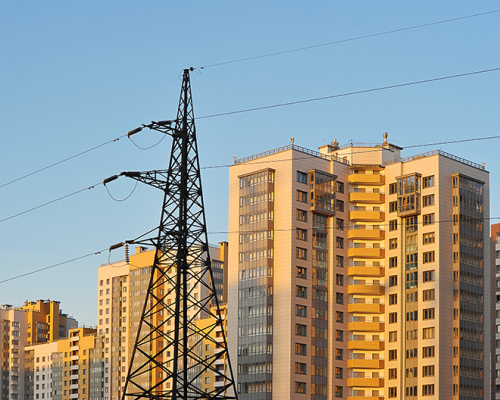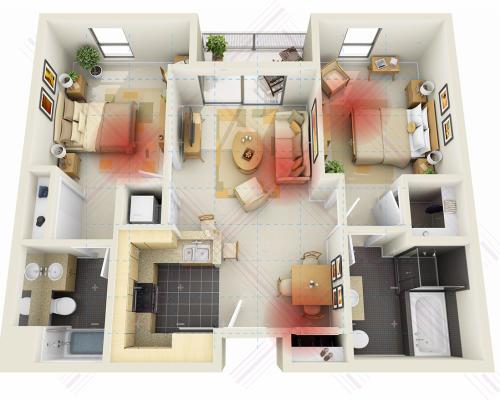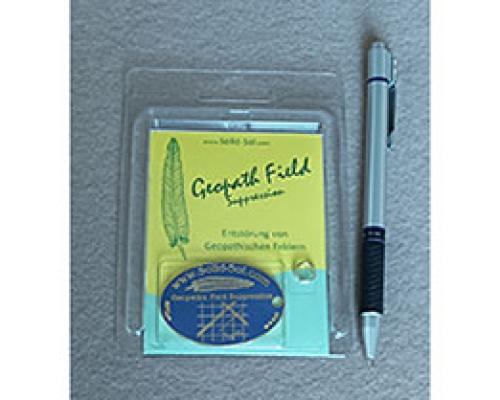


Facilities for the transmission and storage of electricity, even when constructed in accordance with legal standards, are not always safe. The problem is that over time, these standards have changed towards reducing safety distances, while humans have not become less vulnerable to electromagnetic emissions. For this reason, there are many cases where transformer substations and stations are found in dangerously close proximity to people and even directly within residential buildings, without being fully protected from harmful electric and magnetic fields.
At What Distance Do Power Lines Actually Affect Us?
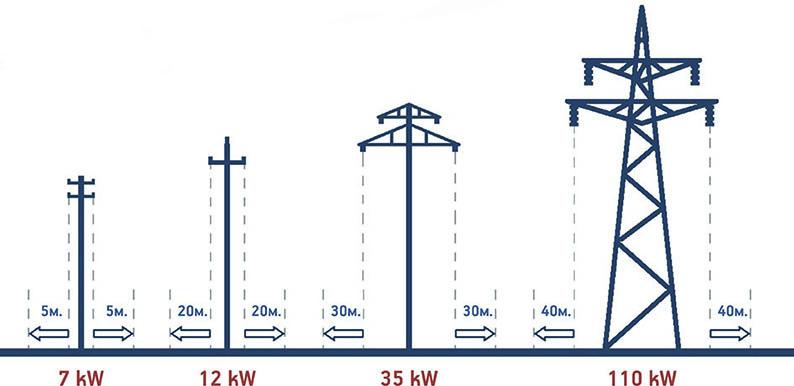
In the past, construction within 300 meters of power lines was not allowed in most parts of the world. More recently, with the expansion of cities, this distance has been reduced to 150 meters, and today in many countries, the permissible distance is now 12 meters. This in itself speaks volumes.
.
Why Do Power Lines and Transformer Substations Pose a Danger to Us?
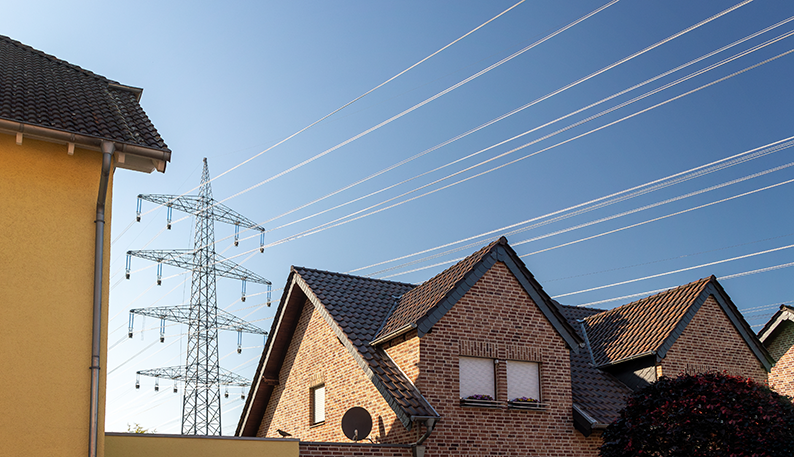
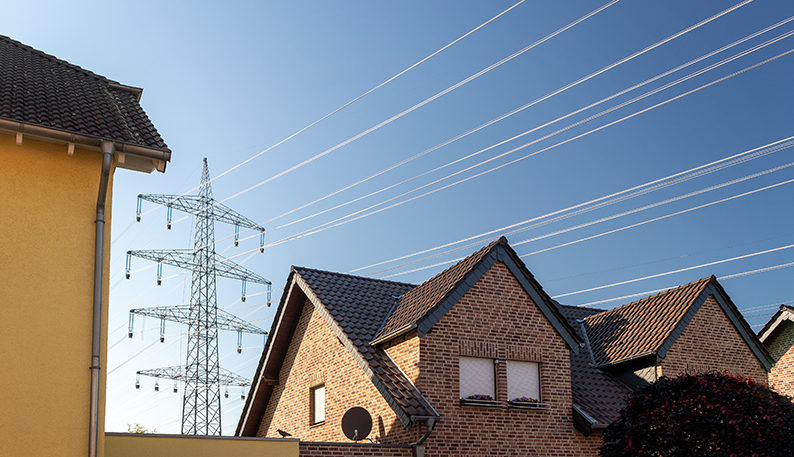
High-voltage power lines with capacities of 110kV, 220kV, and 380kV generate electromagnetic radiation:
- Directly under the transmission line – radiation is 12 times above the norm (~600 V/m),
- 12 meters from the transmission line – radiation is 6 times above the norm (~300 V/m),
- 50 meters from the transmission line – radiation is 1 time above the norm (~50 V/m).
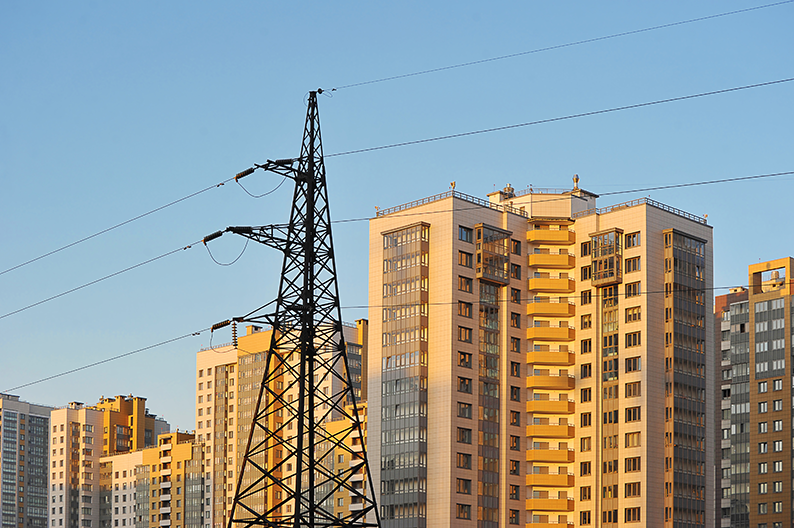
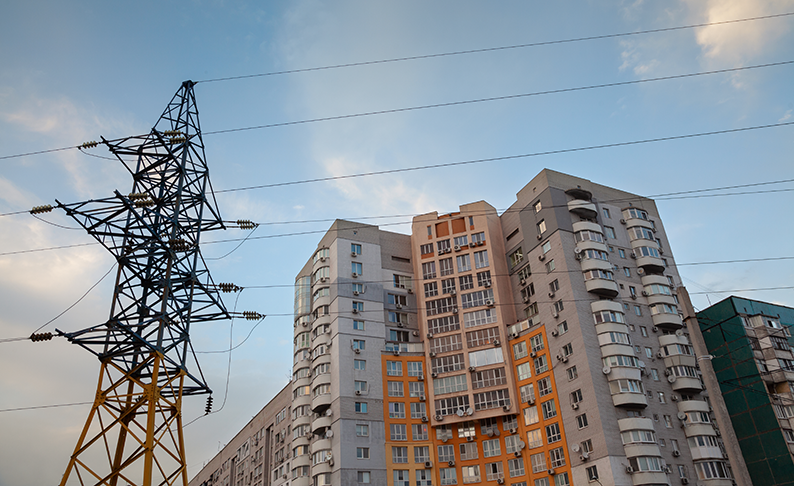
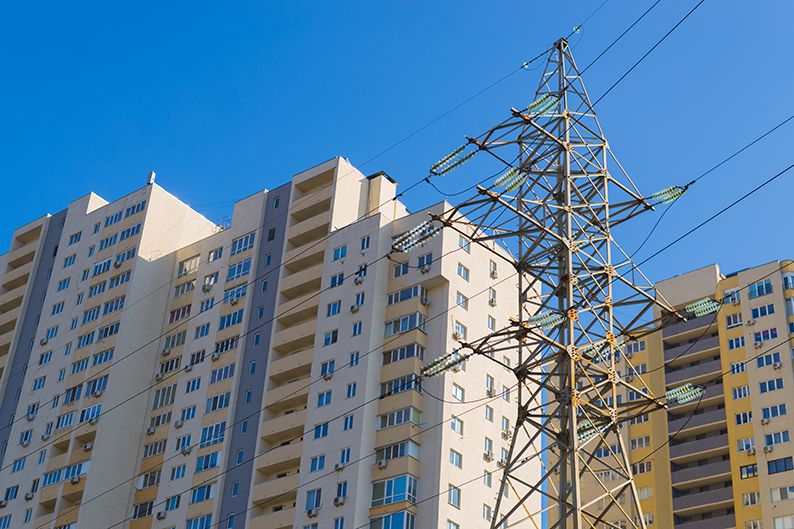
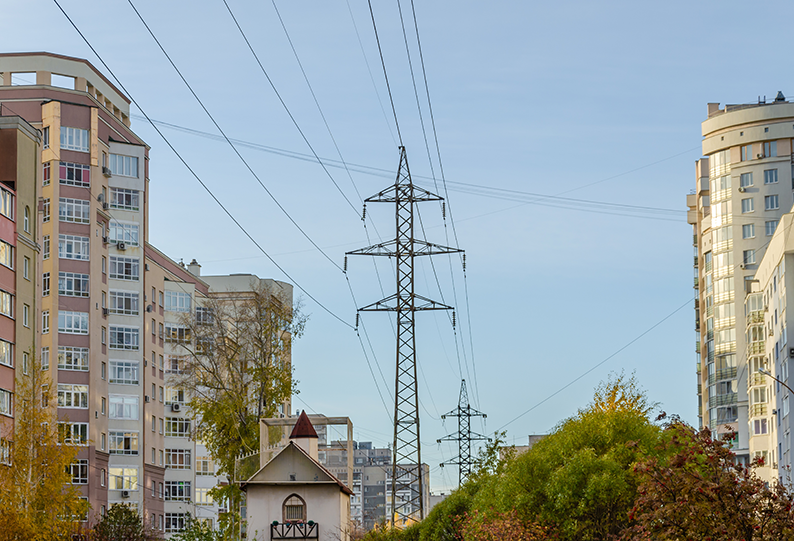
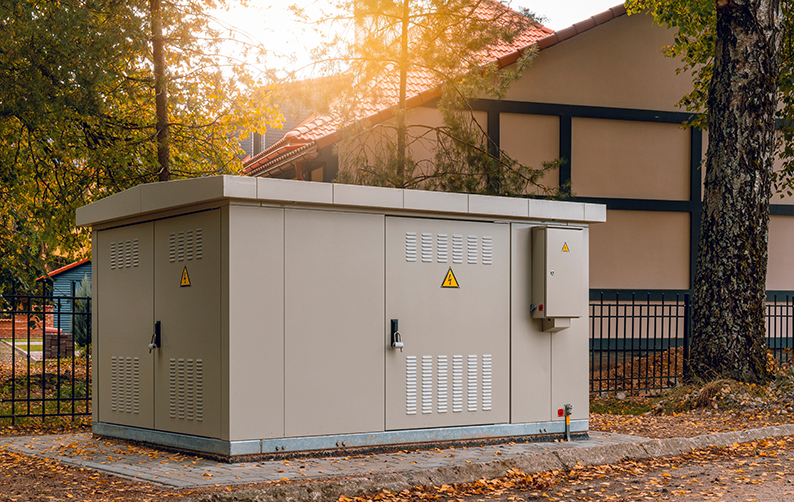
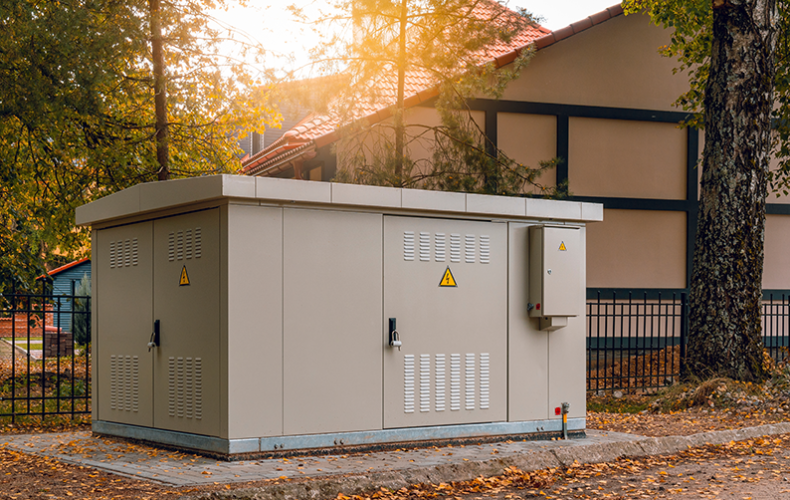
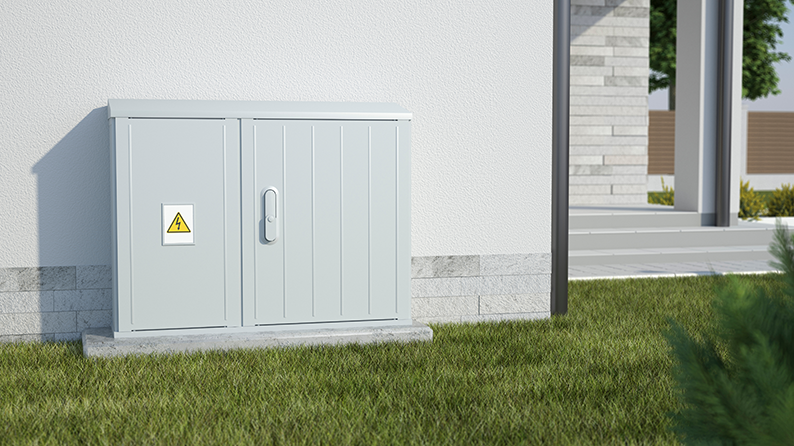
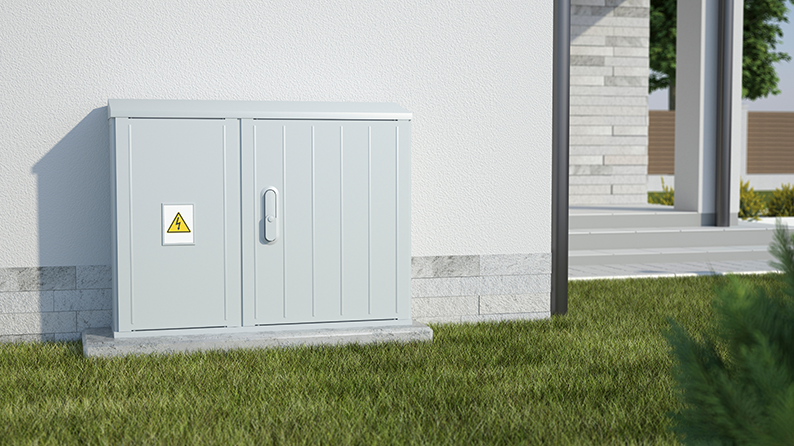
Transformer substations or distribution boxes built in close proximity to residential or public buildings create a magnetic field with a diameter of about 10 meters, which can produce a load 4-5 times above the safety norm, which in Europe is 4 milligauss. Therefore, such facilities should be well-shielded or placed at a safe distance from human-occupied buildings. Unfortunately, this is often not done, leaving each of us responsible for securing our own homes.
EXAMPLES FROM PRACTICE
Discover the Power of Plaques
and How They Can Support You in Daily Life
Plaques are metal carriers embedded with information. They operate on the principle of energy-information interaction, creating powerful protective fields around the person and their surroundings. These are among the most effective and modern protective measures available. The impact of plaques is based on measurable physical principles, but it is so well-designed and multifaceted that many perceive it as magic.
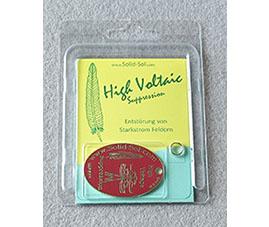
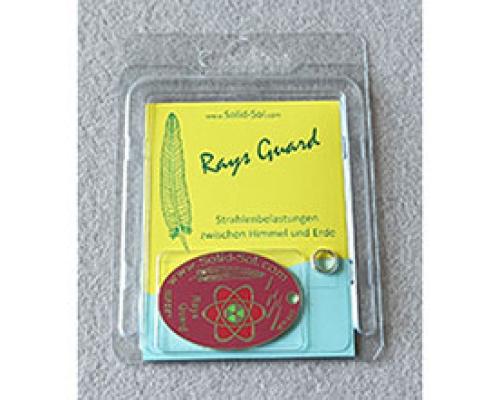
High-Voltage Radiation Suppression Plaque
Suppressing high-voltage fields in our home
Loads above 110 kV require special protection. The High-Voltage Radiation Suppression Plaque smooths out the technical peak vibrations of these specific loads. The effect extends to high-voltage emissions from power lines of 110kV, 220kV, 380kV, and transformers—they are characterized by a specific intensity and frequency range.
Coverage:
The effective suppression field has a diameter of 20 meters.
Other Ways to Protect Ourselves from This Type of Radiation
- Undoubtedly, the most convenient, modern, and effective way to safeguard your home from high-voltage loads above 110 kV is the High-Voltage Radiation Suppression Plaque.
- In cases of strong magnetic electric fields emitted by transformer substations and transformer stations, specially designed protective panels and sheets can be used. These are installed with a grounded circuit and can permanently solve such a problem.
- When a building or residence is under construction, it is easy to incorporate protective circuits into the walls and roof structures using grounded metal meshes, which remain under the final coverings. This way, a large portion of the high electrical voltage and penetrating harmful radio emissions will be conducted to the ground and neutralized.
- Building triple-glazed windows with low-emission and high-energy glass also significantly helps. In areas of aggressive combined radiation, it is recommended to apply an additional electromagnetic radiation-neutralizing film to the glass.
- It is possible to install dense aluminum blinds on the windows, which can be tightly closed when people are resting.
- There are also composite roofing paints for facades and interior spaces, specially designed to protect against various types and intensities of electromagnetic fields.
Related products